701 Biopore Holes for Waste Disposal Created in Jati Urban Village
Reported by Nurito | Translated by Rizky Mawardi
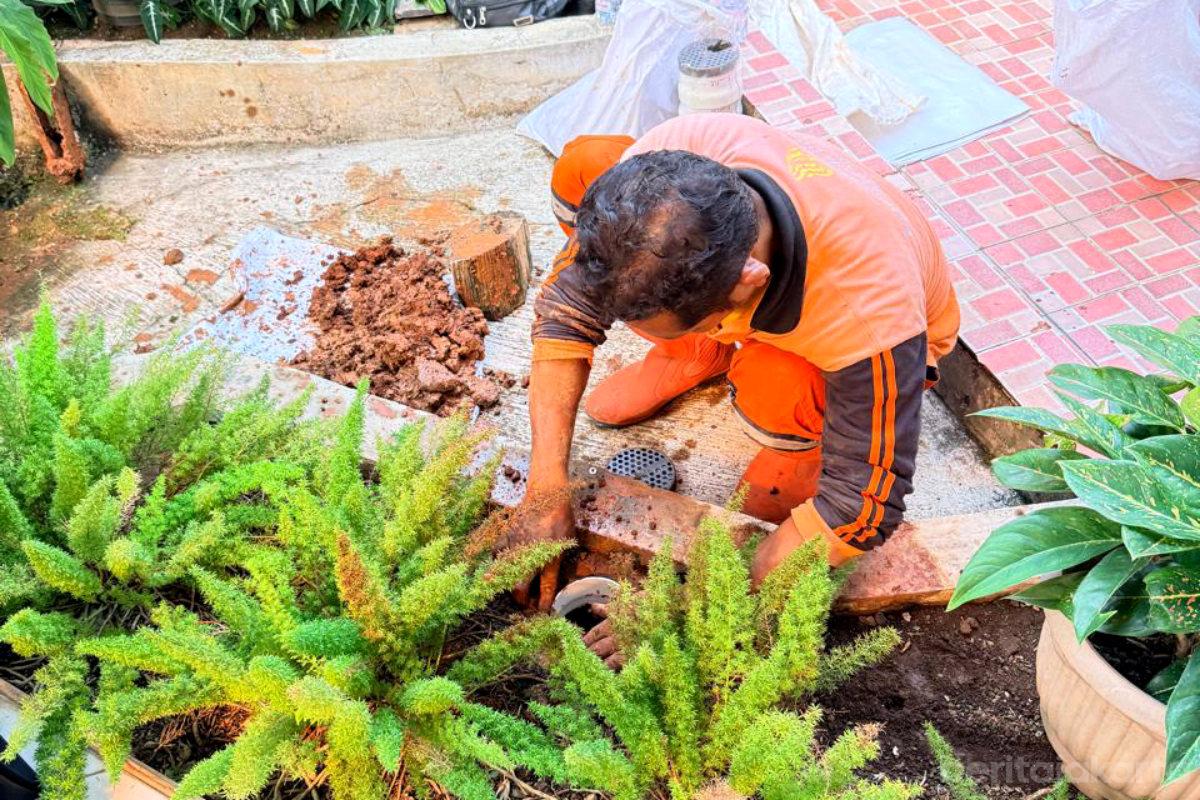
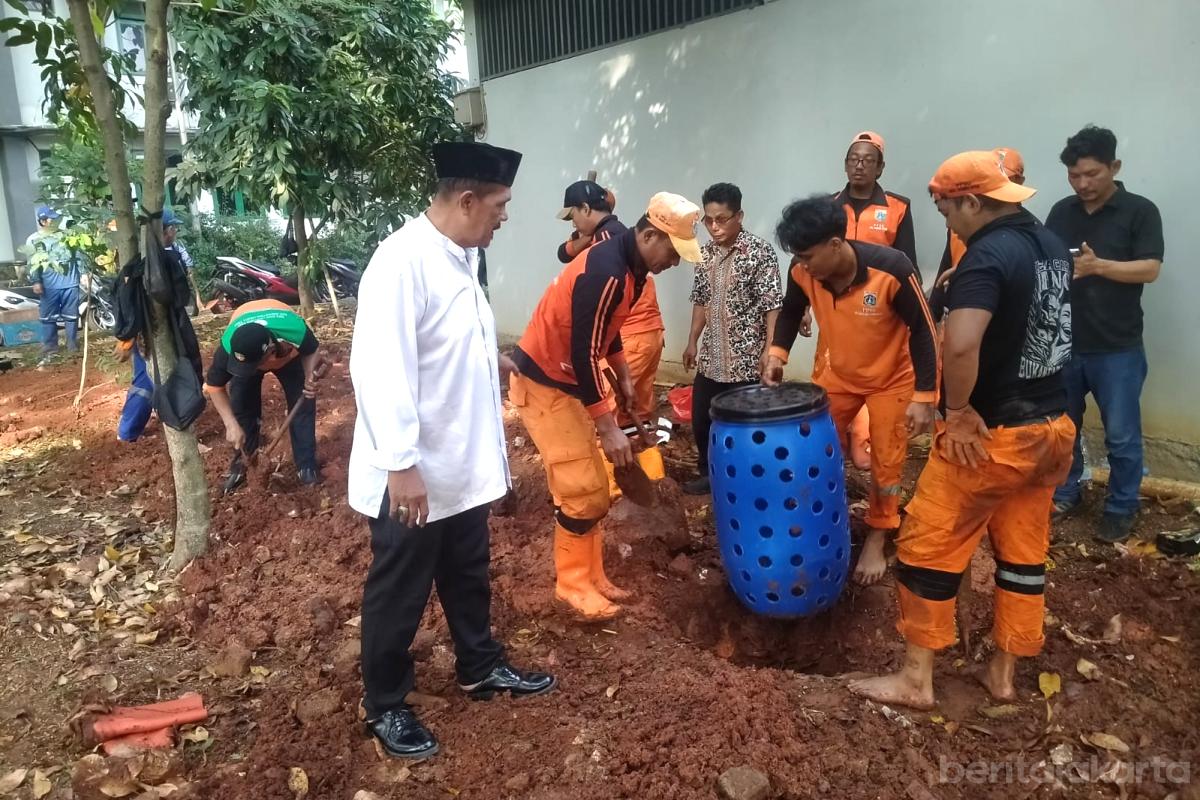
The Jati Urban Village of Pulo Gadung, East Jakarta, continues to accelerate its waste processing and sorting program at source through the construction of communal biopore holes. As of Monday (July 13), 701 biopore holes had been constructed, with the target of increasing this number to 1,000 by the end of July 2026.
Waste can be sorted and managed
Head of Jati Urban Village, Asep Ahmad Umar said the creation of biopore holes is part of an effort to reduce the amount of waste that has been sent to the Bantar Gebang landfill.
Waste Management at The Landfill Behind Cakung Market to Complete TomorrowBiopore holes are used to process organic kitchen waste into compost. Meanwhile, inorganic waste is sorted and distributed to waste banks.
"This step is taken to ensure that starting in August, waste can be sorted and managed at source, eliminating any more waste from residents being dumped at the Bantar Gebang Landfill," he said, Tuesday (7/14).
He is optimistic that if the target of 1,000 biopore holes is achieved, Jati Urban Village will be able to reduce at least 1 ton or 1,000 kilograms of organic waste every day from the source.
He detailed that 701 biopore holes had been created across 11 neighborhood units (RW). RW 01 has 65, RW 02 has 58, RW 03 has 94, and RW 04 has 121.
"For RW 05 there are 46 units, RW 06 has 41 units, RW 07 has 106 units, RW 08 has 40 units, RW 09 has 35 units, RW 10 has 39 units, and RW 11 still has 56 units," he explained.
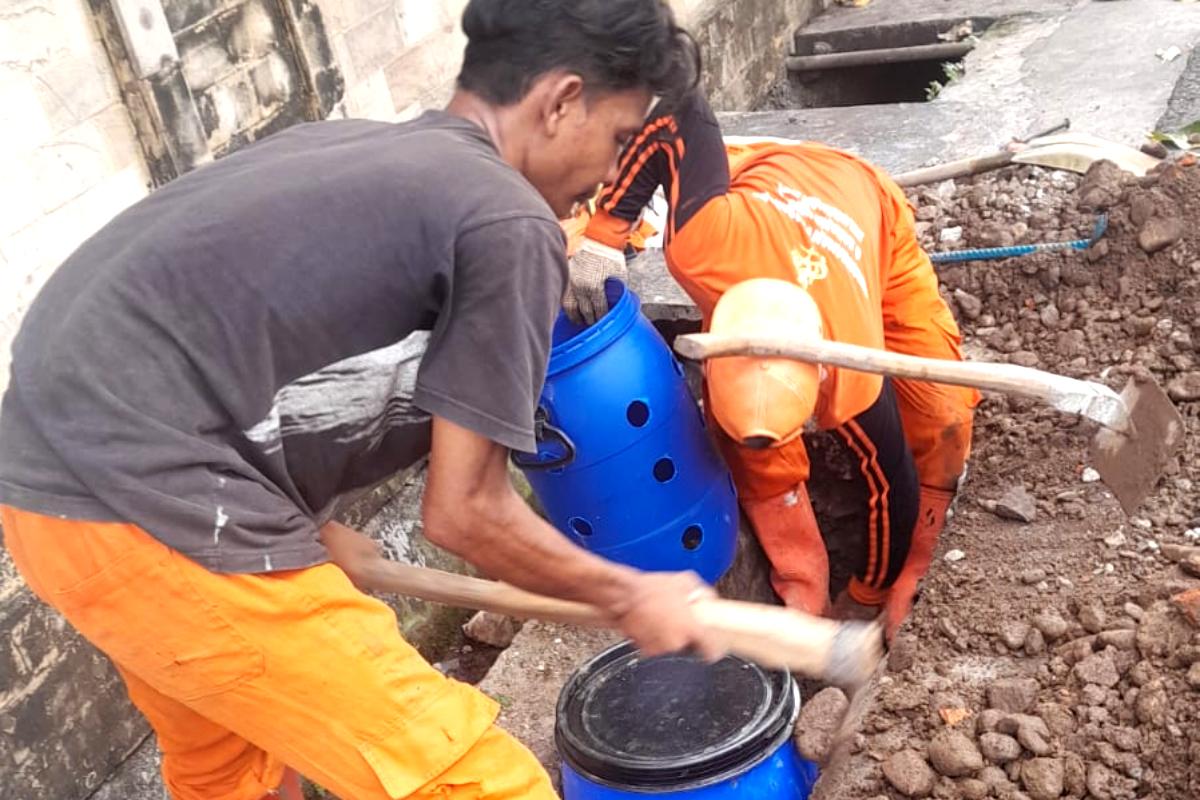
Asep stated that each biopore hole is approximately 1 meter deep with a diameter of 40 centimeters and can accommodate up to 120 liters of organic waste.
"The hole is equipped with a blue barrel provided by residents. The excavation process was carried out by 15 PPSU officers," he stated.